
Smart Functional Textiles for the Environment

Smart Functional Textiles for the Environment

Principal Investigators & Key Members:
Nguyen Dang Tung, PhD
The core of this research lies in engineering fibers and textiles that can serve as portable, flexible sensing/energy generation/energy storage devices. A major objective is to create these solar textiles that will have the capability to power a wide range of devices, particularly those connected to the Internet of Things (IoT). IoT devices, which range from home appliances to healthcare monitors, require continuous power to collect and transmit data. By embedding solar energy harvesting and storage capabilities directly into the fabric, these textiles will provide a sustainable energy solution, reducing reliance on traditional power sources and batteries. In parallel, flexible sensing devices on fibers and textiles will used in environmental monitoring (e.g. water pollution and water level).
Advancing Sustainable Electric Vehicle Charging through Green Infrastructure and Smart Charging Techniques

Advancing Sustainable Electric Vehicle Charging through Green Infrastructure and Smart Charging Techniques

Principal Investigators & Key Members:
Do Danh Cuong, PhD.
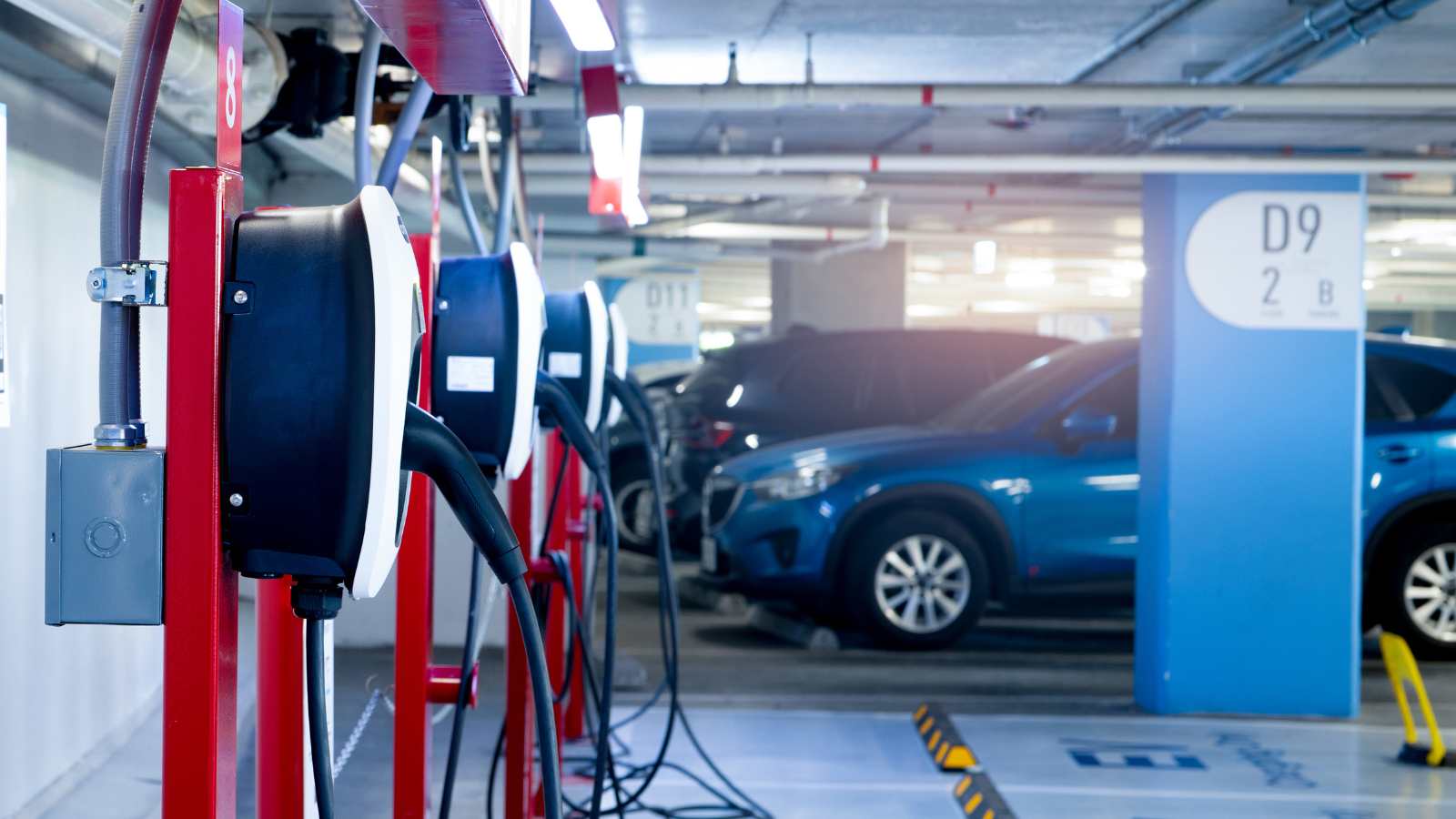
In today's world, increasing greenhouse gas emissions pose a threat due to global warming. To combat this, transitioning from fossil fuel vehicles to electric vehicles (EVs) is crucial. However, as EV numbers rise, so does energy demand on the grid, causing potential issues. This study proposes renewable EV charging stations to mitigate grid challenges.
Digital Twin Platform to Empower Communities towards an Eco-friendly and Heathy Future

Digital Twin Platform to Empower Communities towards an Eco-friendly and Heathy Future

Principal Investigators & Key Members:
Nguyen Ngoc Doanh, PhD
Urban development in Vietnam and other developing countries has led to increased greenhouse gas emissions. Smart transportation, enhanced by AI and ML, can reduce these emissions by implementing real-time congestion pricing based on sensor data. This research will create digital twins of transportation and air quality in Southeast Asian cities, simulating various policy scenarios to encourage sustainable transportation. The goal is to develop economic mechanisms and policies that promote shifts to electric vehicles, transit, and ridesharing, ultimately reducing pollution and congestion. Innovation lies in using AI/ML to design dynamic, real-time congestion pricing and understand public opinions on sustainable transportation.
Carbon Stock Estimation and Biodiversity Assessment in Vietnam Forests using Remotely Sensed Data and Deep Learning Neural Networks

Carbon Stock Estimation and Biodiversity Assessment in Vietnam Forests using Remotely Sensed Data and Deep Learning Neural Networks

Principal Investigators & Key Members:
Nidal Kamel, PhD.
Estimating carbon stocks is essential for understanding the Earth's carbon cycle, assessing the impact of human activities on the environment, and guiding efforts to mitigate climate change. By quantifying the amount of carbon stored in ecosystems like forests, soil, and oceans, scientists and policymakers can make informed decisions about land-use planning, conservation efforts, and carbon sequestration strategies. In the context of carbon credits, accurate carbon stock estimation is crucial for ensuring the credibility and effectiveness of carbon offset projects.
Data-driven Optimization of High-energy Na-ion Battery Materials

Data-driven Optimization of High-energy Na-ion Battery Materials

Principal Investigators & Key Members:
Phung Thi Viet Bac, PhD
Sodium-ion batteries are emerging as a promising technology in energy storage and electric mobility, poised to potentially replace lithium-ion batteries in the near future. Our research is at the forefront of this exciting field, focusing on developing novel, sustainable materials for both cathodes and anodes. By synthesizing innovative layered oxide composites and carbon-based materials, we aim to create high-performance, cost-effective sodium-ion batteries. Our approach combines cutting-edge experimental techniques with advanced computational methods, including machine learning and density functional theory simulations. This allows us to optimize materials and processes, bringing us closer to our goal of demonstrating full-cell prototypes with energy density and cycle life comparable to current lithium-ion technologies. Join us as we explore the future of large-scale energy storage and contribute to a more sustainable electric future.